Different Types of Asbestos
Understanding asbestos, where it can be found and why it matters
Asbestos was widely used in UK construction because of its strength, durability and resistance to heat and fire. Although its use was prohibited in Great Britain by the end of 1999, it can still be found in many older buildings.
If a property was built or refurbished before 2000, asbestos may be present.
What Is Asbestos?
Asbestos is a naturally occurring mineral made up of fine, strong fibres. When asbestos-containing materials are damaged or disturbed, fibres can become airborne and pose a serious health risk if inhaled.
The three main types found in UK buildings are:
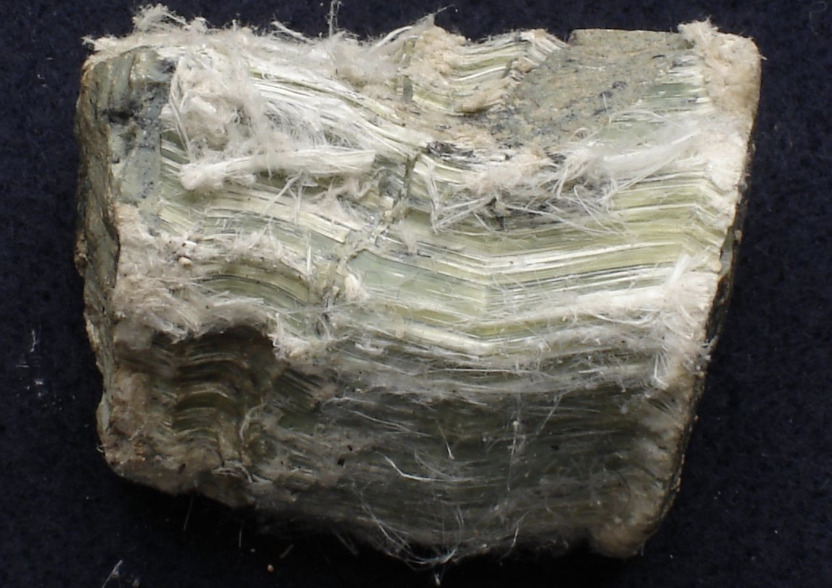
Chrysotile – White Asbestos
IMG wiki
The most commonly used type of asbestos. It was found in a wide range of materials including:
Asbestos cement
Roofing sheets
Floor tiles
Textured coatings
Insulation
Gutters and downpipes
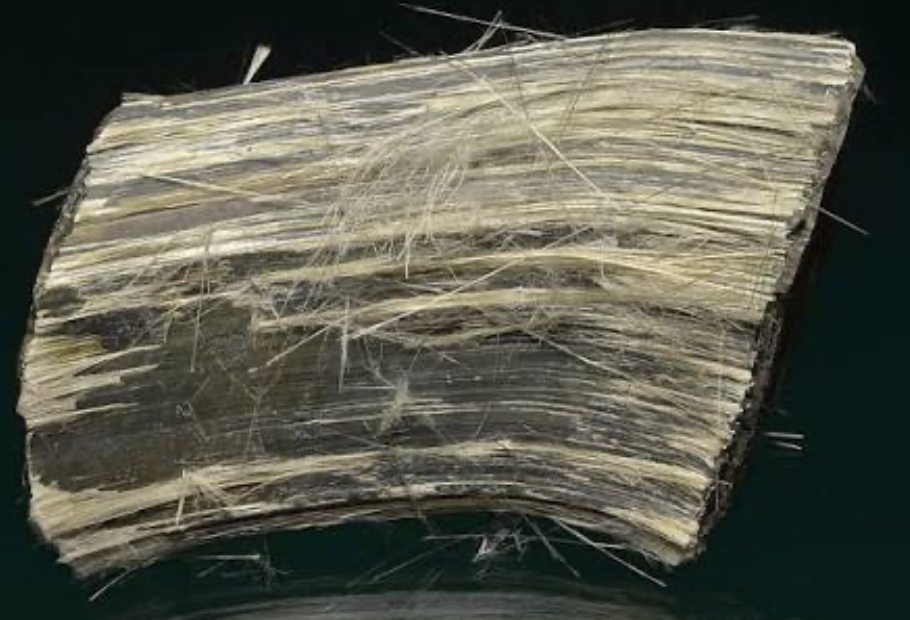
Amosite – Brown Asbestos
IMG Mindat
Commonly used for insulation and fire protection, particularly in building boards and insulating materials.
It may be found in:
Asbestos insulating board (AIB)
Fire doors
Ceiling panels
Partition walls
Service ducts
Insulation materials
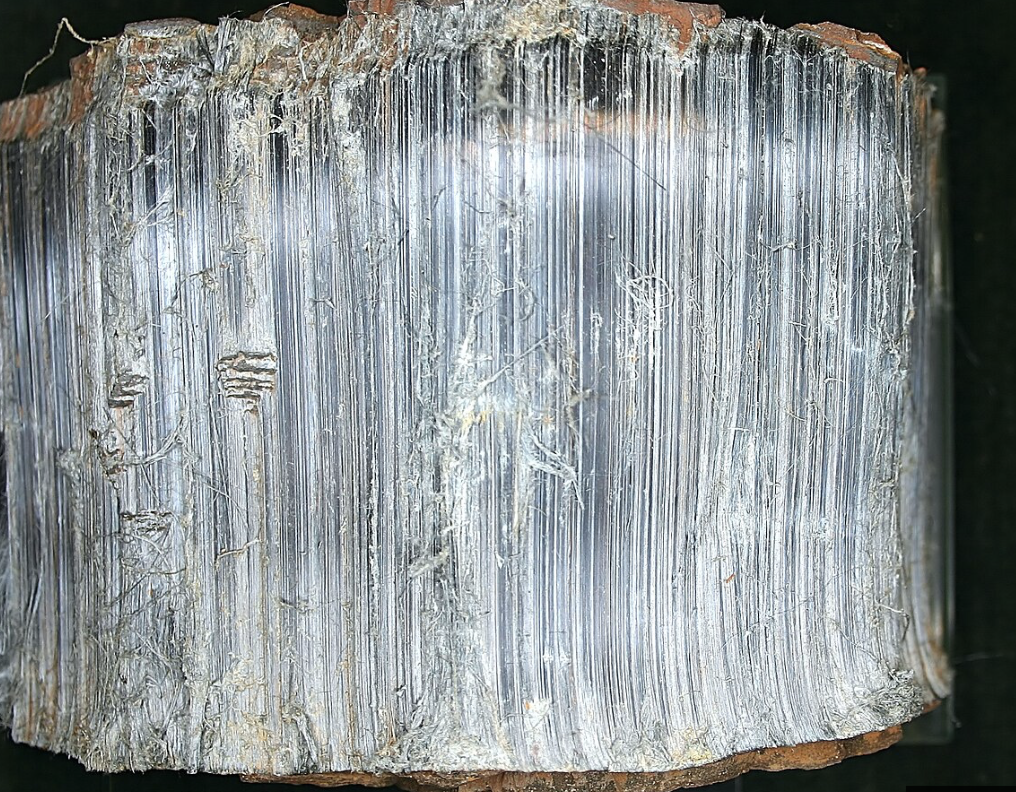
Crocidolite – Blue Asbestos
IMG wiki
Less commonly used but still found in some older buildings and specialist materials.
It may be found in:
Insulation
Cement products
Sprayed coatings
Fire-resistant materials
Older industrial applications
There are also three less commonly encountered types: anthophyllite, tremolite and actinolite.
Where Can Asbestos Be Found?
Asbestos was used in hundreds of different products, so it isn't always obvious where it may be present.
Potential locations include:
Roofing and cement sheets
Soffits and fascias
Floor and ceiling tiles
Insulation
Fire doors
Textured coatings
Pipe and boiler insulation
Partition walls
Service ducts
Water tanks
Gaskets and seals
You cannot reliably identify asbestos simply by looking at a material.
Why Is Asbestos Dangerous?
Asbestos-containing materials aren't necessarily dangerous if they are left undisturbed and in good condition. The risk increases when materials are damaged, deteriorating or disturbed, potentially releasing fibres into the air.
Asbestos exposure can cause serious diseases including:
Mesothelioma
Asbestos-related lung cancer
Asbestosis
These diseases can take many years to develop, which is why identifying asbestos before work begins is so important.
Built Before 2000?
Don't Assume It's Asbestos-Free.
Older homes, commercial buildings and industrial properties can all contain asbestos.
If you're planning refurbishment, demolition, maintenance or other work that could disturb the building, asbestos should be considered before work begins.
Suspect Asbestos? Stop. Don't Disturb It.
Don't drill, cut, sand, break or remove a material if you suspect it may contain asbestos.
A competent asbestos professional can assess the material and, where required, arrange sampling and laboratory analysis.
How BHT Environmental Can Help
At BHT Environmental Ltd, we provide professional asbestos surveying and consultancy services across domestic, commercial and industrial properties.
With 15+ years of industry experience, we provide clear, practical advice to help clients understand and manage asbestos risks.
Our Services
Asbestos Management Surveys
Refurbishment & Demolition Surveys
Asbestos Re-inspection Surveys
Asbestos Consultancy
Asbestos Removal Specifications
Asbestos Awareness Training
Property Condition Reports
Pre-purchase Surveys
Need an Asbestos Survey?
Get Professional Advice. Don't Take the Risk.
Whether you're buying a property, planning refurbishment or simply need advice about potential asbestos, BHT Environmental can help.
Call Richard: 07359 265537
Call Bethany: 07711 585185
Email:bhtenvironmental@outlook.com